
On April - to the Praise of its Creator | ܥܠ ܢܝܣܢ ܫܘܒܚܐ ܠܡܟܝܢܢܗ
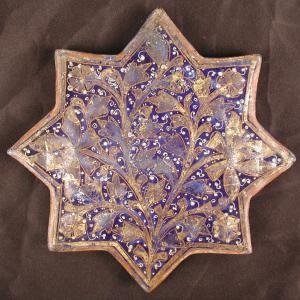
Star-Shaped Tile, second half 13th–14th century, Stonepaste; molded, overglaze painted and leaf gilded (lajvardina), Metropolitan Museum of Art 40.181.16, H.O. Havemeyer Collection, Gift of Horace Havemeyer, 1940 [Public Domain]]
Read the text (PDF)
Introduction to the Text
This poem by Maphrian Mor Gregorios Bar ‘Ebroyo (1226-1286) is from a collection of his poems (musḥotho) compiled by Mor Philoxenos Yuhanon Dolabani in 1929 and republished by the Mor Ephrem Monastery in Glane, Holland in 1983. Bar ‘Ebroyo (also latinized as Bar Hebraeus) was a prolific author who wrote on topics ranging from astronomy, medicine, theology, poetry, grammar, canon law, and more. He wrote in Arabic and Syriac and many of his works are translations of earlier Arabic works, or at least rely heavily upon such works. As maphrian, Bar ‘Ebroyo oversaw the eastern half of the Syriac Orthodox Church, with his seat being in the Mor Matay Monastery, near Mosul, Iraq. This office was second only to the patriarch of Antioch, although in function the two were largely equal.
The title of this poem implies that the month of April (nisan, in Syriac) is the subject of the author’s praise, yet the rose is really the recipient of the panegyric. The author seems to be alluding to the popular Arabic genre of the disputation poem, where two or more inanimate objects, animals, or even abstract concepts are anthropomorphized and debate their qualities. The rose and narcissus (daffodil) flowers were common interlocutors in such poems. In this poem, the rose is heralded as the most beautiful of all flowers but is scolded by the narrator because it allows its beauty to be plucked and used by disreputable people. The Syriac text uses a 12-syllable meter with stanzas of four lines.
Introduction to the Source
Bar ‘Ebroyo’s poetry is largely undated, and relatively little has been written about it, although he wrote over 300 poems on topics as diverse as those found in his prose corpus. His poetry exists in several manuscripts, but there has been no critical edition published that includes an apparatus and discussion of the manuscripts. Two collections have been published, the one I have used for this poem (Dolabani) and an earlier one by Augustinus Scebabi (1877). In Dolabani’s collection, the poems are grouped by subject, and this poem is the first a section that focuses on the theme of nature.
About this Edition
I have maintained the lines and stanzas in this poem but have not preserved the meter, so as to better follow the literal meaning of the Syriac. The original Syriac is rhymed, but this was not preserved either. I have translated the month nisan into April, rather than transliterating it, for the sake of clarity, although it may not have exactly corresponded to the modern Gregorian month.
Further Reading
Bar ‘Ebroyo. Bar Hebraeus’s Mush’hotho Book. Monastery of St. Ephrem the Syrian, 1983.
-
This is the source used for this translation.
Bar ‘Ebroyo, Gregorius Abū Al-Faraǧ, and Augustin Scebabi. Gregorii Bar-Hebraei carmina a patre Augustino Scebabi monaco maronita libanensi aleppensi correcta, ac ab eodem lexicon adjunctum. Ex Typographia Polyglotta S. C. De Propaganda Fide, 1877.
-
Here is another earlier collection of Bar ‘Ebroyo’s poetry which includes this poem.
Heinrichs, Wolfhart. “Rose versus Narcissus: Observations on an Arabic Literary Debate.” Dispute Poems and Dialogues in the Ancient and Medieval Near East: Forms and Types of Literary Debates in Semitic and Related Literatures, edited by G. J. Reinink and H. L. J. Vanstiphout. Peeters, 1991, pp. 179-198.
-
This essay, from a collection on the Arabic dispute poem genre, discusses specifically the debate between the rose and narcissus flowers which Bar ‘Ebroyo alludes to.
Takahashi, Hidemi. Barhebraeus: A Bio-Bibliography. Gorgias Press, 2013.
-
This is a thorough biography of the author with an exhaustive bibliography of primary and secondary sources.
Takahashi, Hidemi. “The Poems of Barhebraeus: A Preliminary Concordance.” Khristianskiĭ Vostok 6, no. 7, 2013, pp. 78–139.
-
Further discussion of Bar ‘Ebroyo’s poetry with a list of major manuscripts.
Taylor, C. “The Dirge of Coheleth.” The Jewish Quarterly Review 4, no. 4, July 1892, pp. 533-549.
-
This is a discussion on the biblical book of Ecclesiastes but contains a translation of the first two stanzas of this poem, in relation to the word ܛܺܝܛܟܘܣ (ṭēyṭkūs, “cicada”). To my knowledge, this is the only other English translation of this poem.
“On April - to the Praise of its Creator” | “ܗܢܢܝܟܡܠ ܐܚܒܘܫ ܢܣܝܢ ܠܥ”
Behold, April has arrived and has given refreshment to those who grieve ܃ܫܦܶܢܰ ܐܝܰܒ ܐܩܝ݂̈ܝܥܰܠܘܰ ܢܣ݂ܳܝܢܺ ܐܛܳܡܐܗܳ
And in glory has clothed mountain and pasture with flowers.
At the wedding feast of the rose, it invited, indeed, gathered blossoms as guests And prepared the way for the bridegroom to leave the bridal chamber.
Blossoms of the field are adorned like beautiful brides 5
And they have attained freedom from the iron bands of winter’s fierceness. Behold, the tongue of the cicada has been loosened and it ever sings
And, on the seat of the narcissus and the myrtle, twitters to the rose.
O! the lilies look like brides from their bed-chambers.
He is adorned and he goes out, indeed, he bears himself grandly in colorful beauty. 10
O! It is madness to the cicada – the love of the lilies.
His chirping is poetry to the rose in the midst of the garden.
The time when the rose is new is brief.
It prefers to be destroyed, and will appear to rest amidst the garden,
Then it sees the house of stalls when it is spread out 15
And it lays itself down among the gluttons like a prostitute.
I said to the rose, “Why will you be in the hand and on the bosom Of every prodigal, and indeed, wanton, greedy drunkard?”
“Pooh to you!” answered the rose, and it ceased and drew back from my uproar. They who are companions of thorns are reduced to dust and brought to Sheol. 20
I said to the rose, “Why are you unrestrained in the appearance of licentiousness? Why not reject your comely beauty in the harsh time?”
The rose answered, “Be a preacher to yourself,
The banquet of thorns is better to me than to become strung together.”
܂ܫܒܶܠܐܰ ܐܚܳܒܘܫ ܐܪܳܒܕܰܘ ܐ݂ܪܳܘܛܠ ܐܶܒ̈ܒܳܗܰܒܘܰ ܃ܫܢܶܟܰ ܦܐܳ ܐܪܳܩ ܐܶܢܝܡ̈ܺܐ ܐܶܚ̈ܩܦܰܠ ܐܕܳܪܘܰ ܠܘܠܚ ܀ܫܪܶܕܳ ܐܚܳܪܘܐ ܐܢܳܬܚܰ ܩܘܦܢܶ ܐܢܳܘܢܓ ܢܡܶܕܘܰ
܃ܐܪܳܒܕܰ ܝܚܼܩ̈ܦܰ ܘ̄ܬܒܛܰ ܨܐܶ ܐܗܳ ܐܬܳ̈ܠܟܰ ܬ݁ܘܡܽܕ ܂ܐܪ݂ܳܪܘܚ ܘܢܰܩ ܐܘܳܬܣܰܕ ܐܙ݂ܳܘܥܕ ܐܪ̈ܶܳܠ݂ܘܩ ܢܡܶܘ ܃ܐܪܳܡܙܳ ܢܝܡܺܐܒܰܘ ܣܘܟܛܝܛܺ ܢܫܳܶܠ ܗܠ ܝܪܬ݁ܫܐܶ ܐܗܳ ܀ܐܪܨܳܢܰܡ ܐܕܳܪܘܰܠ ܐܣܳܐܘܳ ܣܝܩܪܢܰܕ ܐܛܰܡܰܒܶ ܠܥܰܘ
܃ܐ݂ܢ̈ܘܛ݂ܝܩܰ ܢܡܶ ܐܬܳ̈ܳܠܟܰ ܬ݁ܘܡܽܕ ܐܢ̈ܶܫܘܰܫ ܐܗܳ ܂ܐܢ̈ܶܘܓܰܕ ܐܪܳܦܘܫܒ ܢܝܐܶܓܰܬܡܶ ܦܐܳ ܢܝܩܦܢܳ ܢܝܬܒܨܰܡ ܃ܐܶܢ̈ܫܰܘܫ ܒ݂ܘܚܒ ܣܘܟܛܝܛܺ ܗܳܠ ܬ݁ܘܳܗ ܐܬܳܝܢܫܳ ܐܗܳ ܀ܐܶܢ̈ܓܰ ܬܥܰܨܡܶ ܐܕܪܘܰܠ ܐܪܨܢܰܡ ܐܬܳܛܝ̣ܐ̣ܘܦ ܟܝܐܘܰ
܃ܐܬܳܕܚܰ ܐܕܳܪܘܳ ܐܘܳܗ ܝܗ̄ܘܬ݂ܝܐ ܕܟ ܐܪܳܘܥܙ ܐܢܳܒܙܰ ܂ܐܬܳܢܓܰ ܬ݁ܥܰܨܡܶ ܡܝܟܺܣܐܒܶ ܒܬܶܢܶ ܪܬ݁ܬܰܣܢܶ ܐܒܳܨ ܃ܐܬܳܘܳܢ̈ܚܳ ܬܝܒܶ ܐܣܶܪܦܰܬܡܶ ܕܟܰ ܗܬܶܝܙܺܚ ܟܝܕܝܗܳ ܀ܐܬ݂ܳܝܢܙܳ ܟܝܐܰ ܐܶܛܘ̈ܣܐܳ ܠܥܰ ܗܫܦܢܰ ܐܡܶܪܳܘ
܃ܐܒܳܘܥܘ ܐܕ݂ܝܒ ܐܘܶܗܬܶ ܢܘܡܠܕܰ ܬܪܶܡܐܶ ܐܕܳܪܘܰܠ ܂ܐܒܳܥܰܠ ܐܚ݂ܝܪܫ ܐܝܳܘܰܪܳ ܦܐܳ ܐܛܳܘܣܐܳ ܠܟܽܕ ܃ܐܒܳܘܪܰ ܝܢܡܶ ܝܠܬ ݂ܝܶܠܫܘܰ ܟܠ ܥܘܓܽܕ ݂ܝܢܦܰ ܐܕܳܪܘܰ
܀ܐܒ݂ܳܘܟ ܬܘܪܒܚܰܒ ܘ̄ܝܛܡܰܬܐܘܶ ܘ̄ܒܪܶܩ ܠܘܝܽܒܰܠ ܝ̄̈ܝܰܚܰܕ
܃ܐܙܳܚܦܰ ܬܘܡܽܕܒܰ ܠܰܠܕܰܨܬܶ ܢܘܡܽܠ ܬܪܶܡܐܶ ܐܕܳܪܘܰܠ ܂ܐ݂ܙܳܘܥ ܢܒܰܙܒܰ ܐܝܳܐܦܰ ܟܪܦܘܫ ܪܬܰܣܰܬ ܐܠ ܢܘܡܽܠ ܃ܐܙܳܘܪܽܟܳ ܝܘܺܗ ܬܢܐܰ ܟܫܳܦܢܰܠܕ ܝܢܦܰ ܐܕܳܪܘܰ
܀ܐܙܳܝܪܺܚ ܐܘܶܗܐܶ ܐܒ݂̈ܶܘܟܽܒܕܰ ܢܡܶ ܐܪܳܚܘܦ ܝܠ ܒܛܳ
I reprimanded the rose, “Why do you give yourself to any man?
And he who is like a mad drunkard in the bosom every time you are new?” The rose answered, “My life is short and of little value,
Why should its elegance and beauty flee when it is gathered?”
To the rose, I said, “When your gardener gathers you
And you gore him with a thorn, he will not forgive, and you will be snatched.” And the rose answered, “I thought to myself, he would have learned this: His ugly companion will be renewed by my loveliness.”
To the rose I said, “When the gardener wants to prune you Interiorly, and you poke him, you will be snatched and not forgiven.”
And the rose answered, “Concerning my mouth, you open it and I will kiss The hand of all who will remove me from the thornbush.”
The rose succumbs to the praises of every rhetor,
Even those who will fill up with myriad senseless songs. All blossoms are like laborers and he a curator,
Even lilies are laborers and he alone is the emperor.
Colossian roses are conquered by every tongue
Because magnificent lilies are obtained as a gift by charmers. All blossoms are like laborers and he is the ruler,
Every brightness is accidental and his is essential.
O! Is the rose not distinguished above Syrian rue?
And are not the lilies’ old splendors hated by beautiful ones? All blossoms are servants while he is noble
And to him they bow, every single day like to the Lord.
Come, see in the rose the image of a baby inside swaddling clothes And in the rest of the other lilies are old splendors
25 ܃ܠܬܬܶܫܢܳܐ ܠܟܽܠ ܟܫܳܦܢܰ ܢܘܡܽܠܕܰ ܬܚܶܦܩܰ ܐܕܳܪܘܳܠ ܂ܠܥܶܡܰ ܠܟܽ ܟܠ ܐܒܳܘܥܽܒ ܐܝܳܘܪܰܕ ܐܬܝܢܺܫܳ ܟܝܐܘ
܃ܠܙܶܐܳ ܐܗܳ ܝ̄ܘܝܙܺܘ ܐܶܝܚ�ܲ ܢܝܪܶܟܕܰ ܝܢܺܦܰ ܐܕܪܘܳ
܀ܠܡܶܚܳ ܐܪܳܦܘܫ ܗܬܘܝܐܦܰܠܕܰ ܛܰܠܦܰܬܐ ܢܘܡܽܠ
܃ܦܛܶܩܳ ܘܗ̱ ܟܳܠ ܐܢܳܢܳܓܰ ܕܟܰ ܬܪܶܡܐܶ ܐܕܳܪܘܲ� ܠ
30 ܂ܦܛܶܚܳܐܗܶܢ ܟܳܠܕ ܝܗܝܩܟܘܒܽܫܬܶ ܐܠܘ ܐܒܳܘܟܒ ܝܗ̄ܝܪܳܘܩܽܕ ܃ܦܶܠܝ ܐܕܶܗܳ ܝ̱ܬܝܥܺܪܬܰ ܘܓܰ ܢܡܶܕ ݂ܝܢܦܰ ܐܕܳܪܘܳ
܀ܦܶܠܚܰܢ ܐܝܳܢܣܰܕ ܗܬܘܪܒܚܰ ܢܡܶ ܝܬܘܪܽܝܦܫܰܠܕܰ
܃ܩܘܣܳܦܢܶ ܟܟܳܕ ܐܒܳܨ ܐܢܳܢܳܓܰ ܕܟ ܬܪܶܡܐܶ ܐܕܪܘܠ ܂ܩܘܒܫܬܶ ܐܳܠ ܟܣܳ ܟܦܳܛܚܢܶܕܘܰ ܝܗܝܪܳܘܩܕ ܐܒܳܘܥܒ
35 ܃ܩܘܫܐܕܶ ܬܚܶܬܦܶ ܐܕܗܳ ܠܥ ܝܡܘܦܽܕ ܝܢܦܰ ܐܕܳܪܘܳ ܀ܩܘܪܽܦܢܶ ܐܝܳܢܣܰܕ ܘܕܽܒܥܰ ܢܡܶ ܝܠܕ ܐܢܳܝܐܰ ܠܟܽ ܕܝܐܺ
܃ܪܘܛܽܝܪܺ ܠܟܽ ܡܘܦܽ ܒܐܶܚܳ ܐܕܳܪܘܰ ܟܝ̈ܣܰܳܠܘܩ ܢܡܶ ܂ܪܛܳܫܐܶ ܘܒܽܪܶ ܗܬܶܓܳܘ̈ܣ ܢܡܶ ܐܶܠܡܢܶ ܢܦܶܐܘܳ ܃ܪܘܛܪܰܘܩܽ ݂ܘܗܘ ܐܚ̈ܶܳܠܦܰ ܟܝܐܰ ܐܚ̈ܶܩܦܰ ܢܘܗܠܟܽ
40 ܀ܪܘܛܐܪܘܛܘܐ ܪܘܚܽܠ ݂ܘܗܘ ܐܚ̈ܶܠܦܳ ܐܢ̈ܶܫܰܘܫܽ ܦܐܳ
܃ܐܢܳܫܳܶܠ ܠܟܽ ܒܐܶܚܳ ܐܕܳܪܘܰ ܝܣ̈ܰܳܠܘܩܽ ܢܡܶ
܂ܐܢܳܫܪܳܘܦܽ ܐܢܶܩ ܐܪ݂ܝܕܗ ܐܪ̈ܶܒܚܰ ܐܢ̈ܶܫܰܘܫ ܢܡܶܕ ܃ܐܢܳܫܳܝܪܺ ܘ݂ܗܘ ܐܚ̈ܶܳܠܦܰ ܟܝܐܰ ܐܚ̈ܶܩܦܰ ܢܘܗܠܟܽ ܀ܐܢܳܫܕܳܐܳ ݂ܘܗܘ ܐܝ̈ܢܳܫܳܕܓܶ ܐܪ̈ܗܙܳ ܢܘܗܽܠܟܽ
45 ܃ܐܪܳܒܫܲ� ܐܕܳܪܘܰܠ ܐܙܚܬܶ ܐܡܳܠܕܰ ܐܫܳܘܪܦܳ ܘܐܳ ܂ܐܪܳܦܘܫܽ ܝܝܰܢ̈ܩܰ ܐܪ̈ܶܝܕܺܗ ܐܒ̈ܶܣܳ ܐܢܶܫ̈ܘܰܫܠܘ
܃ܐܪܳܐܚܺ ݂ܘܗ ܕܟ ܢܘܢܐܶ ܐܪܶܒ̈ܥܰ ܐܚ̈ܶܩܦܰ ܢܘܗܠܟܽ ܀ܐܪܳܡܳܠܕܰ ܟܝܐܰ ݂ܡܘܝ ܠܟܽ ܢܘܗܠܟܽ ܢܝܕܓܣܳ ݂ܘܗ ܗܶܠܘ
܃ܐ݂ܪ̈ܶܘܪܙܥܰ ܘܓܰܒ ܐܳܠܘܥܽ ܬܘܡܽܕܒܰ ܐܕܳܪܘܰܠ ܐܙܚܺ ܐܬܳ
50 ܂ܐܪ̈ܶܝܕܗ ܐܒ̈ܶܣܳ ܐܟܳܪܫܰܕ ܐܢܶܪ̈ܚܐِ ܐܢ̈ܶܫܰܘܫܠܘܰ
But they are all made to serve, working for freeborn sons. ܃ܐܪ̈ܶܐܚܺ ܪܒ ܗܠ ܢܝܚܺܠܦܳ ݂ܘܕܒܥܰ ܢܘܗܠܟܽ ܐܠܐܶ
That is to say, he alone is Lord and the blossoms are bound to him.
O discerning one, come be bright in this bridal chamber
Which has no equal in beauty and elegance of scent and color.
Consider the roses of the entrance which are clothed in a linen tunic 55
In the midst of blossoms undivided, that is to say, married.
All of the blossoms are as if stripped bare, and the rose, a nobleman. The lilies are all like invited guests and the rose is married.
All flashes are like lights and the rose is the eye
And the only one that surpasses them in brilliance is the rose. 60
With every flash, the rose alone has a banner Although it will be from drunkards in an evil banquet.
The rose tramples on all blossoms in the image of a foot And its own beauty is unique and theirs is bastardized.
The rose is desirable above every living king and lowly one 65
Because, concerning blossoms, they are all laborers compared to the king. All of their flashes are made to kneel to it alone
And they who draw near to it receive gifts of glory from the king.
܀ܐܪ̈ܶܝܣܐܺ ܗܠ ܐܚ̈ܶܩܦܰܘ ܐܪܳܡܳ ܕܘܚܽܠܒܰ ܘ݂ܝܘܗܕ
܃ܐܢܳܘܢܽܓ ܐܢܳܗܳܒ ܐܓܳܪܦܰܬܐܶ ܐܬܳ ܐܫܳܘܪܽܦܳ ܘܐܳ
܂ܐܢܳܘܓܰܘ ܐܚܳܝܪܺܕ ܐܪܳܦܘܫ ܬܳܘܝܽܐܦܰܒ ܐܡܳܚܦܶ ܗܶܠ ܬܝܰܠܕ ܃ܐܢܳܝܬܘܟ ܦܝܛܺܥ ܐܬܳܝܶܠܥܶܡܕܰ ܕܨܐܶ ܐܕܳܪܘܰܒ
܀ܐܢܳܬܚܰ ܘܝ݂ܽܘܗܽܕ ܓܰܠܦܰܬܬܶ ܐܠܘ ܐܚܶܩ̈ܦܰ ܬ݁ܥܰܨܡܶ
܃ܐܢܳܟܘܒܽ ܐܕܪܘܰܘ ܐܶܠܝ̈ܦܺܩܳ ܟܝܐܰ ܐܚܶܩ̈ܦܰ ܢܘܗܠܟܽ ܂ܐܢܳܬܚܰ ܐܕܳܪܘܰܘ ܐܢ̈ܝܡܙ ܢܘܗܠܟܽ ܐܢ̈ܫܰܘܫܽ ܦܐܳ ܃ܐܢܳܝܥܰ ܐܕܪܳܘܰܘ ܐܪ̈ܶܝܗܢܰ ܟܝܐ ܐܪ̈ܶܗܙܰ ܢܘܗܠܟܽ ܀ܐܢܳܬܳܚܘܡܨܰ ܐܕܳܪܘܰ ܪܘܚܽܠܘܗ ܢܘܗܢܡܶ ܪܝܬܝܰܘ
܃ܐܫܳܝܢܺ ܝܗ̄ܘܬ݂ܝܐ ܕܘܚܽܠܒܰ ܐܕܳܪܘܰ ܐܪ̈ܶܗܙܰ ܢܘܗܠܟܽܒ ܂ܐܫܝܳܕ ܐܪܳܚܘܦܽܒ ܐܝܶܘܳܪ̈ܰ ܢܡܶ ܐܘܗܢܶ ܢܦܶܐܘ ܃ܐܫ݂ܳܝܪ ܐܕܪܘܰܘ ܐܶܠܓܪ̈ܶ ܬܘܡܽܕܒܰ ܐܚܶܩ̈ܦܰ ܢܘܗܠܟܽ ܀ܐܫܳܝܛ ܢܘܗܠܝܕܺܘ ܐܝܢܳܠܝܕܺ ܐܪܳܦܘܫ ܗܠܝܕܺܘ
܃ܐܟܳܡܳܘ ܐܟܳܠܡ ܐܫܳܦܢ ܠܟܽ ܠܥܰ ܐܕܪܘܲ� ܘܗ ܓܝܓܺܪ ܂ܐܟܳܠܡܰ ܘܝ݂ܘܗ ܐܚ̈ܶܠܦܳ ܢܘܗܠܟܽ ܐܚܶܩ̈ܦܰ ܠܥܰ ܕܒܰ ܃ܐܟܳܪܘܒ ܢܝܡܶܝܣܳ ܝܗ̄ܘܕܰ ܘܚܠܒܰ ܗܠ ܐܪ̈ܶܗܙܰ ܢܘܗܠܟܽ ܀ܐܟܳܠܡܶ ܢܝܒܺܣܢܳ ܐܚܳܒܘܫܕ ܐܢ̈ܶܫܕܳ ܗܠ ܢܘܒ ܪܩܢܪܰܘ
Introduction to the Text
This poem by Maphrian Mor Gregorios Bar ‘Ebroyo (1226-1286) is from a collection of his poems ( musḥotho) compiled by Mor Philoxenos Yuhanon Dolabani in 1929 and republished by the Mor Ephrem Monastery in Glane, Holland in 1983. Bar ‘Ebroyo (also latinized as Bar Hebraeus) was a prolific author who wrote on topics ranging from astronomy, medicine, theology, poetry, grammar, canon law, and more. He wrote in Arabic and Syriac and many of his works are translations of earlier Arabic works, or at least rely heavily upon such works. As maphrian, Bar ‘Ebroyo oversaw the eastern half of the Syriac Orthodox Church, with his seat being in the Mor Matay Monastery, near Mosul, Iraq. This office was second only to the patriarch of Antioch, although in function the two were largely equal.
The title of this poem implies that the month of April ( nisan, in Syriac) is the subject of the author’s praise, yet the rose is really the recipient of the panegyric. The author seems to be alluding to the popular Arabic genre of the disputation poem, where two or more inanimate objects, animals, or even abstract concepts are an- thropomorphized and debate their qualities. The rose and narcissus (daffodil) flowers were common interlocutors in such poems. In this poem, the rose is heralded as the most beautiful of all flowers but is scolded by the narrator because it allows its beauty to be plucked and used by disreputable people. The Syriac text uses a 12-syllable meter with stanzas of four lines.
Introduction to the Source
Bar ‘Ebroyo’s poetry is largely undated, and relatively little has been written about it, although he wrote over 300 poems on topics as diverse as those found in his prose corpus. His poetry exists in several manuscripts, but there has been no critical edition published that includes an apparatus and discussion of the manuscripts. Two collections have been published, the one I have used for this poem (Dolabani) and an earlier one by Augustinus Scebabi (1877). In Dolabani’s collection, the poems are grouped by subject, and this poem is the first a section that focuses on the theme of nature.
About this Edition
I have maintained the lines and stanzas in this poem but have not preserved the meter, so as to better follow the literal meaning of the Syriac. The original Syriac is rhymed, but this was not preserved either. I have translated the month nisan into April, rather than transliterating it, for the sake of clarity, although it may not have exactly corresponded to the modern Gregorian month.
Further Reading
Bar ‘Ebroyo. Bar Hebraeus’s Mush’hotho Book. Monastery of St. Ephrem the Syrian, 1983.
- This is the source used for this translation.
Bar ‘Ebroyo, Gregorius Abū Al-Faraǧ, and Augustin Scebabi. Gregorii Bar-Hebraei carmina a patre Augustino Scebabi monaco maronita libanensi aleppensi correcta, ac ab eodem lexicon adjunctum. Ex Typographia Polyglotta S. C. De Propaganda Fide, 1877.
- Here is another earlier collection of Bar ‘Ebroyo’s poetry which includes this poem.
Heinrichs, Wolfhart. “Rose versus Narcissus: Observations on an Arabic Literary Debate.” Dispute Poems and Dialogues in the Ancient and Medieval Near East: Forms and Types of Literary Debates in Semitic and Related Literatures, edited by G. J. Reinink and H. L. J. Vanstiphout. Peeters, 1991, pp. 179-198.
- This essay, from a collection on the Arabic dispute poem genre, discusses specifically the debate between the rose and narcissus flowers which Bar ‘Ebroyo alludes to.
Takahashi, Hidemi. Barhebraeus: A Bio-Bibliography. Gorgias Press, 2013.
- This is a thorough biography of the author with an exhaustive bibliography of primary and secondary sources.
Takahashi, Hidemi. “The Poems of Barhebraeus: A Preliminary Concordance.” Khristianskiĭ Vostok 6, no. 7, 2013, pp. 78–139.
- Further discussion of Bar ‘Ebroyo’s poetry with a list of major manuscripts.
Taylor, C. “The Dirge of Coheleth.” The Jewish Quarterly Review 4, no. 4, July 1892, pp. 533-549.
- This is a discussion on the biblical book of Ecclesiastes but contains a translation of the first two stanzas of this poem, in relation to the word ܛܺܝܛܟܘܣ ( ṭ ēyṭkūs, “cicada”). To my knowledge, this is the only other English translation of this poem.
“On April - to the Praise of its Creator” | “ܗܢܢܝܟܡܠ ܐܚܒܘܫ ܢܣܝܢ ܠܥ ”
܃ܫܦܶܢܰ ܐܝܰܒ ܐܩܝ݂̈ܝܥܰܠܘܰ ܢܣ݂ܳܝܢܺ ܐܛܳܡܐܗܳ
܂ܫܒܶܠܐܰ ܐܚܳܒܘܫ ܐܪܳܒܕܰܘ ܐ݂ܪܳܘܛܠ ܐܶܒ̈ܒܳܗܰܒܘܰ ܃ܫܢܶܟܰ ܦܐܳ ܐܪܳܩ ܐܶܢܝܡ̈ܺܐ ܐܶܚ̈ܩܦܰܠ ܐܕܳܪܘܰ ܠܘܠܚ ܀ܫܪܶܕܳ ܐܚܳܪܘܐ ܐܢܳܬܚܰ ܩܘܦܢܶ ܐܢܳܘܢܓ ܢܡܶܕܘܰ
܃ܐܪܳܒܕܰ ܝܚܼܩ̈ܦܰ ܘ̄ܬܒܛܰ ܨܐܶ ܐܗܳ ܐܬܳ̈ܠܟܰ ܬ݁ܘܡܽܕ ܂ܐܪ݂ܳܪܘܚ ܘܢܰܩ ܐܘܳܬܣܰܕ ܐܙ݂ܳܘܥܕ ܐܪ̈ܶܳܠ݂ܘܩ ܢܡܶܘ ܃ܐܪܳܡܙܳ ܢܝܡܺܐܒܰܘ ܣܘܟܛܝܛܺ ܢܫܳܶܠ ܗܠ ܝܪܬ݁ܫܐܶ ܐܗܳ ܀ܐܪܨܳܢܰܡ ܐܕܳܪܘܰܠ ܐܣܳܐܘܳ ܣܝܩܪܢܰܕ ܐܛܰܡܰܒܶ ܠܥܰܘ
܃ܐ݂ܢ̈ܘܛ݂ܝܩܰ ܢܡܶ ܐܬܳ̈ܳܠܟܰ ܬ݁ܘܡܽܕ ܐܢ̈ܶܫܘܰܫ ܐܗܳ ܂ܐܢ̈ܶܘܓܰܕ ܐܪܳܦܘܫܒ ܢܝܐܶܓܰܬܡܶ ܦܐܳ ܢܝܩܦܢܳ ܢܝܬܒܨܰܡ ܃ܐܶܢ̈ܫܰܘܫ ܒ݂ܘܚܒ ܣܘܟܛܝܛܺ ܗܳܠ ܬ݁ܘܳܗ ܐܬܳܝܢܫܳ ܐܗܳ ܀ܐܶܢ̈ܓܰ ܬܥܰܨܡܶ ܐܕܪܘܰܠ ܐܪܨܢܰܡ ܐܬܳܛܝ̣ܐ̣ܘܦ ܟܝܐܘܰ
܃ܐܬܳܕܚܰ ܐܕܳܪܘܳ ܐܘܳܗ ܝܗ̄ܘܬ݂ܝܐ ܕܟ ܐܪܳܘܥܙ ܐܢܳܒܙܰ ܂ܐܬܳܢܓܰ ܬ݁ܥܰܨܡܶ ܡܝܟܺܣܐܒܶ ܒܬܶܢܶ ܪܬ݁ܬܰܣܢܶ ܐܒܳܨ ܃ܐܬܳܘܳܢ̈ܚܳ ܬܝܒܶ ܐܣܶܪܦܰܬܡܶ ܕܟܰ ܗܬܶܝܙܺܚ ܟܝܕܝܗܳ ܀ܐܬ݂ܳܝܢܙܳ ܟܝܐܰ ܐܶܛܘ̈ܣܐܳ ܠܥܰ ܗܫܦܢܰ ܐܡܶܪܳܘ
܃ܐܒܳܘܥܘ ܐܕ݂ܝܒ ܐܘܶܗܬܶ ܢܘܡܠܕܰ ܬܪܶܡܐܶ ܐܕܳܪܘܰܠ ܂ܐܒܳܥܰܠ ܐܚ݂ܝܪܫ ܐܝܳܘܰܪܳ ܦܐܳ ܐܛܳܘܣܐܳ ܠܟܽܕ ܃ܐܒܳܘܪܰ ܝܢܡܶ ܝܠܬ ݂ܝܶܠܫܘܰ ܟܠ ܥܘܓܽܕ ݂ܝܢܦܰ ܐܕܳܪܘܰ
܀ܐܒ݂ܳܘܟ ܬܘܪܒܚܰܒ ܘ̄ܝܛܡܰܬܐܘܶ ܘ̄ܒܪܶܩ ܠܘܝܽܒܰܠ ܝ̄̈ܝܰܚܰܕ
܃ܐܙܳܚܦܰ ܬܘܡܽܕܒܰ ܠܰܠܕܰܨܬܶ ܢܘܡܽܠ ܬܪܶܡܐܶ ܐܕܳܪܘܰܠ ܂ܐ݂ܙܳܘܥ ܢܒܰܙܒܰ ܐܝܳܐܦܰ ܟܪܦܘܫ ܪܬܰܣܰܬ ܐܠ ܢܘܡܽܠ ܃ܐܙܳܘܪܽܟܳ ܝܘܺܗ ܬܢܐܰ ܟܫܳܦܢܰܠܕ ܝܢܦܰ ܐܕܳܪܘܰ
܀ܐܙܳܝܪܺܚ ܐܘܶܗܐܶ ܐܒ݂̈ܶܘܟܽܒܕܰ ܢܡܶ ܐܪܳܚܘܦ ܝܠ ܒܛܳ
25 ܃ܠܬܬܶܫܢܳܐ ܠܟܽܠ ܟܫܳܦܢܰ ܢܘܡܽܠܕܰ ܬܚܶܦܩܰ ܐܕܳܪܘܳܠ ܂ܠܥܶܡܰ ܠܟܽ ܟܠ ܐܒܳܘܥܽܒ ܐܝܳܘܪܰܕ ܐܬܝܢܺܫܳ ܟܝܐܘ
܃ܠܙܶܐܳ ܐܗܳ ܝ̄ܘܝܙܺܘ ܐܶܝܚ�ܲ ܢܝܪܶܟܕܰ ܝܢܺܦܰ ܐܕܪܘܳ
܀ܠܡܶܚܳ ܐܪܳܦܘܫ ܗܬܘܝܐܦܰܠܕܰ ܛܰܠܦܰܬܐ ܢܘܡܽܠ
܃ܦܛܶܩܳ ܘܗ̱ ܟܳܠ ܐܢܳܢܳܓܰ ܕܟܰ ܬܪܶܡܐܶ ܐܕܳܪܘܲ� ܠ
30 ܂ܦܛܶܚܳܐܗܶܢ ܟܳܠܕ ܝܗܝܩܟܘܒܽܫܬܶ ܐܠܘ ܐܒܳܘܟܒ ܝܗ̄ܝܪܳܘܩܽܕ ܃ܦܶܠܝ ܐܕܶܗܳ ܝ̱ܬܝܥܺܪܬܰ ܘܓܰ ܢܡܶܕ ݂ܝܢܦܰ ܐܕܳܪܘܳ
܀ܦܶܠܚܰܢ ܐܝܳܢܣܰܕ ܗܬܘܪܒܚܰ ܢܡܶ ܝܬܘܪܽܝܦܫܰܠܕܰ
܃ܩܘܣܳܦܢܶ ܟܟܳܕ ܐܒܳܨ ܐܢܳܢܳܓܰ ܕܟ ܬܪܶܡܐܶ ܐܕܪܘܠ ܂ܩܘܒܫܬܶ ܐܳܠ ܟܣܳ ܟܦܳܛܚܢܶܕܘܰ ܝܗܝܪܳܘܩܕ ܐܒܳܘܥܒ
35 ܃ܩܘܫܐܕܶ ܬܚܶܬܦܶ ܐܕܗܳ ܠܥ ܝܡܘܦܽܕ ܝܢܦܰ ܐܕܳܪܘܳ ܀ܩܘܪܽܦܢܶ ܐܝܳܢܣܰܕ ܘܕܽܒܥܰ ܢܡܶ ܝܠܕ ܐܢܳܝܐܰ ܠܟܽ ܕܝܐܺ
܃ܪܘܛܽܝܪܺ ܠܟܽ ܡܘܦܽ ܒܐܶܚܳ ܐܕܳܪܘܰ ܟܝ̈ܣܰܳܠܘܩ ܢܡܶ ܂ܪܛܳܫܐܶ ܘܒܽܪܶ ܗܬܶܓܳܘ̈ܣ ܢܡܶ ܐܶܠܡܢܶ ܢܦܶܐܘܳ ܃ܪܘܛܪܰܘܩܽ ݂ܘܗܘ ܐܚ̈ܶܳܠܦܰ ܟܝܐܰ ܐܚ̈ܶܩܦܰ ܢܘܗܠܟܽ
40 ܀ܪܘܛܐܪܘܛܘܐ ܪܘܚܽܠ ݂ܘܗܘ ܐܚ̈ܶܠܦܳ ܐܢ̈ܶܫܰܘܫܽ ܦܐܳ
܃ܐܢܳܫܳܶܠ ܠܟܽ ܒܐܶܚܳ ܐܕܳܪܘܰ ܝܣ̈ܰܳܠܘܩܽ ܢܡܶ
܂ܐܢܳܫܪܳܘܦܽ ܐܢܶܩ ܐܪ݂ܝܕܗ ܐܪ̈ܶܒܚܰ ܐܢ̈ܶܫܰܘܫ ܢܡܶܕ ܃ܐܢܳܫܳܝܪܺ ܘ݂ܗܘ ܐܚ̈ܶܳܠܦܰ ܟܝܐܰ ܐܚ̈ܶܩܦܰ ܢܘܗܠܟܽ ܀ܐܢܳܫܕܳܐܳ ݂ܘܗܘ ܐܝ̈ܢܳܫܳܕܓܶ ܐܪ̈ܗܙܳ ܢܘܗܽܠܟܽ
45 ܃ܐܪܳܒܫܲ� ܐܕܳܪܘܰܠ ܐܙܚܬܶ ܐܡܳܠܕܰ ܐܫܳܘܪܦܳ ܘܐܳ ܂ܐܪܳܦܘܫܽ ܝܝܰܢ̈ܩܰ ܐܪ̈ܶܝܕܺܗ ܐܒ̈ܶܣܳ ܐܢܶܫ̈ܘܰܫܠܘ
܃ܐܪܳܐܚܺ ݂ܘܗ ܕܟ ܢܘܢܐܶ ܐܪܶܒ̈ܥܰ ܐܚ̈ܶܩܦܰ ܢܘܗܠܟܽ ܀ܐܪܳܡܳܠܕܰ ܟܝܐܰ ݂ܡܘܝ ܠܟܽ ܢܘܗܠܟܽ ܢܝܕܓܣܳ ݂ܘܗ ܗܶܠܘ
܃ܐ݂ܪ̈ܶܘܪܙܥܰ ܘܓܰܒ ܐܳܠܘܥܽ ܬܘܡܽܕܒܰ ܐܕܳܪܘܰܠ ܐܙܚܺ ܐܬܳ
50 ܂ܐܪ̈ܶܝܕܗ ܐܒ̈ܶܣܳ ܐܟܳܪܫܰܕ ܐܢܶܪ̈ܚܐِ ܐܢ̈ܶܫܰܘܫܠܘܰ
܃ܐܪ̈ܶܐܚܺ ܪܒ ܗܠ ܢܝܚܺܠܦܳ ݂ܘܕܒܥܰ ܢܘܗܠܟܽ ܐܠܐܶ
܀ܐܪ̈ܶܝܣܐܺ ܗܠ ܐܚ̈ܶܩܦܰܘ ܐܪܳܡܳ ܕܘܚܽܠܒܰ ܘ݂ܝܘܗܕ
܃ܐܢܳܘܢܽܓ ܐܢܳܗܳܒ ܐܓܳܪܦܰܬܐܶ ܐܬܳ ܐܫܳܘܪܽܦܳ ܘܐܳ
܂ܐܢܳܘܓܰܘ ܐܚܳܝܪܺܕ ܐܪܳܦܘܫ ܬܳܘܝܽܐܦܰܒ ܐܡܳܚܦܶ ܗܶܠ ܬܝܰܠܕ ܃ܐܢܳܝܬܘܟ ܦܝܛܺܥ ܐܬܳܝܶܠܥܶܡܕܰ ܕܨܐܶ ܐܕܳܪܘܰܒ
܀ܐܢܳܬܚܰ ܘܝ݂ܽܘܗܽܕ ܓܰܠܦܰܬܬܶ ܐܠܘ ܐܚܶܩ̈ܦܰ ܬ݁ܥܰܨܡܶ
܃ܐܢܳܟܘܒܽ ܐܕܪܘܰܘ ܐܶܠܝ̈ܦܺܩܳ ܟܝܐܰ ܐܚܶܩ̈ܦܰ ܢܘܗܠܟܽ ܂ܐܢܳܬܚܰ ܐܕܳܪܘܰܘ ܐܢ̈ܝܡܙ ܢܘܗܠܟܽ ܐܢ̈ܫܰܘܫܽ ܦܐܳ ܃ܐܢܳܝܥܰ ܐܕܪܳܘܰܘ ܐܪ̈ܶܝܗܢܰ ܟܝܐ ܐܪ̈ܶܗܙܰ ܢܘܗܠܟܽ ܀ܐܢܳܬܳܚܘܡܨܰ ܐܕܳܪܘܰ ܪܘܚܽܠܘܗ ܢܘܗܢܡܶ ܪܝܬܝܰܘ
܃ܐܫܳܝܢܺ ܝܗ̄ܘܬ݂ܝܐ ܕܘܚܽܠܒܰ ܐܕܳܪܘܰ ܐܪ̈ܶܗܙܰ ܢܘܗܠܟܽܒ ܂ܐܫܝܳܕ ܐܪܳܚܘܦܽܒ ܐܝܶܘܳܪ̈ܰ ܢܡܶ ܐܘܗܢܶ ܢܦܶܐܘ ܃ܐܫ݂ܳܝܪ ܐܕܪܘܰܘ ܐܶܠܓܪ̈ܶ ܬܘܡܽܕܒܰ ܐܚܶܩ̈ܦܰ ܢܘܗܠܟܽ ܀ܐܫܳܝܛ ܢܘܗܠܝܕܺܘ ܐܝܢܳܠܝܕܺ ܐܪܳܦܘܫ ܗܠܝܕܺܘ
܃ܐܟܳܡܳܘ ܐܟܳܠܡ ܐܫܳܦܢ ܠܟܽ ܠܥܰ ܐܕܪܘܲ� ܘܗ ܓܝܓܺܪ ܂ܐܟܳܠܡܰ ܘܝ݂ܘܗ ܐܚ̈ܶܠܦܳ ܢܘܗܠܟܽ ܐܚܶܩ̈ܦܰ ܠܥܰ ܕܒܰ ܃ܐܟܳܪܘܒ ܢܝܡܶܝܣܳ ܝܗ̄ܘܕܰ ܘܚܠܒܰ ܗܠ ܐܪ̈ܶܗܙܰ ܢܘܗܠܟܽ ܀ܐܟܳܠܡܶ ܢܝܒܺܣܢܳ ܐܚܳܒܘܫܕ ܐܢ̈ܶܫܕܳ ܗܠ ܢܘܒ ܪܩܢܪܰܘ
Behold, April has arrived and has given refreshment to those who grieve
And in glory has clothed mountain and pasture with flowers.
At the wedding feast of the rose, it invited, indeed, gathered blossoms as guests
And prepared the way for the bridegroom to leave the bridal chamber.
5 Blossoms of the field are adorned like beautiful brides
And they have attained freedom from the iron bands of winter’s fierceness.
Behold, the tongue of the cicada has been loosened and it ever sings
And, on the seat of the narcissus and the myrtle, twitters to the rose.
O! the lilies look like brides from their bed-chambers.
10 He is adorned and he goes out, indeed, he bears himself grandly in colorful beauty.
O! It is madness to the cicada – the love of the lilies.
His chirping is poetry to the rose in the midst of the garden.
The time when the rose is new is brief.
It prefers to be destroyed, and will appear to rest amidst the garden,
15 Then it sees the house of stalls when it is spread out
And it lays itself down among the gluttons like a prostitute.
I said to the rose, “Why will you be in the hand and on the bosom
Of every prodigal, and indeed, wanton, greedy drunkard?”
“Pooh to you!” answered the rose, and it ceased and drew back from my uproar.
20 They who are companions of thorns are reduced to dust and brought to Sheol.
I said to the rose, “Why are you unrestrained in the appearance of licentiousness?
Why not reject your comely beauty in the harsh time?”
The rose answered, “Be a preacher to yourself,
The banquet of thorns is better to me than to become strung together.”
25 I reprimanded the rose, “Why do you give yourself to any man?
And he who is like a mad drunkard in the bosom every time you are new?”
The rose answered, “My life is short and of little value,
Why should its elegance and beauty flee when it is gathered?”
To the rose, I said, “When your gardener gathers you
30 And you gore him with a thorn, he will not forgive, and you will be snatched.”
And the rose answered, “I thought to myself, he would have learned this:
His ugly companion will be renewed by my loveliness.”
To the rose I said, “When the gardener wants to prune you
Interiorly, and you poke him, you will be snatched and not forgiven.”
35 And the rose answered, “Concerning my mouth, you open it and I will kiss
The hand of all who will remove me from the thornbush.”
The rose succumbs to the praises of every rhetor,
Even those who will fill up with myriad senseless songs.
All blossoms are like laborers and he a curator,
40 Even lilies are laborers and he alone is the emperor.
Colossian roses are conquered by every tongue
Because magnificent lilies are obtained as a gift by charmers.
All blossoms are like laborers and he is the ruler,
Every brightness is accidental and his is essential.
45 O! Is the rose not distinguished above Syrian rue?
And are not the lilies’ old splendors hated by beautiful ones?
All blossoms are servants while he is noble
And to him they bow, every single day like to the Lord.
Come, see in the rose the image of a baby inside swaddling clothes
50 And in the rest of the other lilies are old splendors
But they are all made to serve, working for freeborn sons.
That is to say, he alone is Lord and the blossoms are bound to him.
O discerning one, come be bright in this bridal chamber
Which has no equal in beauty and elegance of scent and color.
55 Consider the roses of the entrance which are clothed in a linen tunic
In the midst of blossoms undivided, that is to say, married.
All of the blossoms are as if stripped bare, and the rose, a nobleman.
The lilies are all like invited guests and the rose is married.
All flashes are like lights and the rose is the eye
60 And the only one that surpasses them in brilliance is the rose.
With every flash, the rose alone has a banner
Although it will be from drunkards in an evil banquet.
The rose tramples on all blossoms in the image of a foot
And its own beauty is unique and theirs is bastardized.
65 The rose is desirable above every living king and lowly one
Because, concerning blossoms, they are all laborers compared to the king.
All of their flashes are made to kneel to it alone
And they who draw near to it receive gifts of glory from the king.